Thanksgiving on the Frontier: Firearms, Feasts, and Abraham Lincoln’s 1863 Proclamation
By
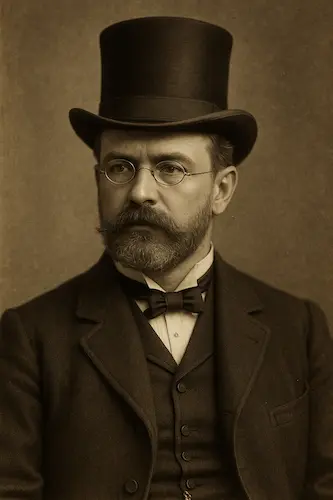 Orme Dumas
| November 27, 2025
Orme Dumas
| November 27, 2025
When Americans gather for Thanksgiving today, the focus is often turkey, family, and football. But in the 19th century, particularly in Oregon, the holiday carried a much different weight—shaped by hardship, the hunt for food, and the tools settlers relied on to put meals on the table.
From 1621 to 1863
The “first Thanksgiving” in 1621 at Plymouth Colony has long been remembered as a shared harvest feast between English settlers and the Wampanoag people. But it wasn’t until 1863, in the midst of the Civil War, that President Abraham Lincoln proclaimed Thanksgiving a national holiday. His goal was to foster unity in a fractured nation—a message that also resonated with Oregon settlers far from home.
Hunting for the Holiday Meal
In 19th-century Oregon, the idea of a lavish Thanksgiving dinner required more than a trip to the market. Settlers and homesteaders hunted for venison, wild fowl, and sometimes wild turkeys, though deer and ducks were more common in the Pacific Northwest. The firearms of the day—often muzzleloading rifles before the 1860s, and later breechloading rifles and shotguns—were not only tools of defense but essential for securing a holiday feast.
- Rifles: The percussion-cap rifle was a mainstay through the mid-1800s, with later settlers turning to breechloaders like the Sharps rifle or Springfield trapdoor.
- Shotguns: Double-barreled shotguns were versatile, used for both small game and larger fowl—ideal for ducks and geese along Oregon’s waterways.
- Revolvers: While less useful for hunting, Colt’s revolvers and similar sidearms were common companions for settlers, a reminder of the era’s uncertain safety.
Thanksgiving in Oregon
For settlers in the Willamette Valley, or miners and ranchers farther east, Thanksgiving was less about tradition than about survival and gratitude. A table set with venison stew, roasted duck, or fresh-caught salmon might look different from the Pilgrims’ feast, but it carried the same spirit of thankfulness. In cabins lit by oil lamps and warmed by woodstoves, families paused from the grind of frontier life to share food and reflect on blessings—however modest.
A Holiday of Resilience
Thanksgiving’s establishment during the Civil War, and its adoption by Oregonians in the midst of westward expansion, speaks to the resilience of people living through hardship. Firearms—so often seen today only as symbols of conflict—were, in that context, instruments of survival, ensuring there was something on the table to celebrate.
The Oregon frontier’s Thanksgiving was one of perseverance, gratitude, and the steady crack of a rifle in the autumn woods.
May your tables be set with gratitude and your hearths with warmth.
— Orme Dumas
Firearms Historian, Collector, and Teller of the West’s Quiet Stories
